
Growing Camellia sinensis in Geothermal Greenhouses
Coastal Grove Farm is pioneering controlled-environment tea cultivation in Nova Scotia, Canada

A Commercial Canadian Tea-Growing Operation
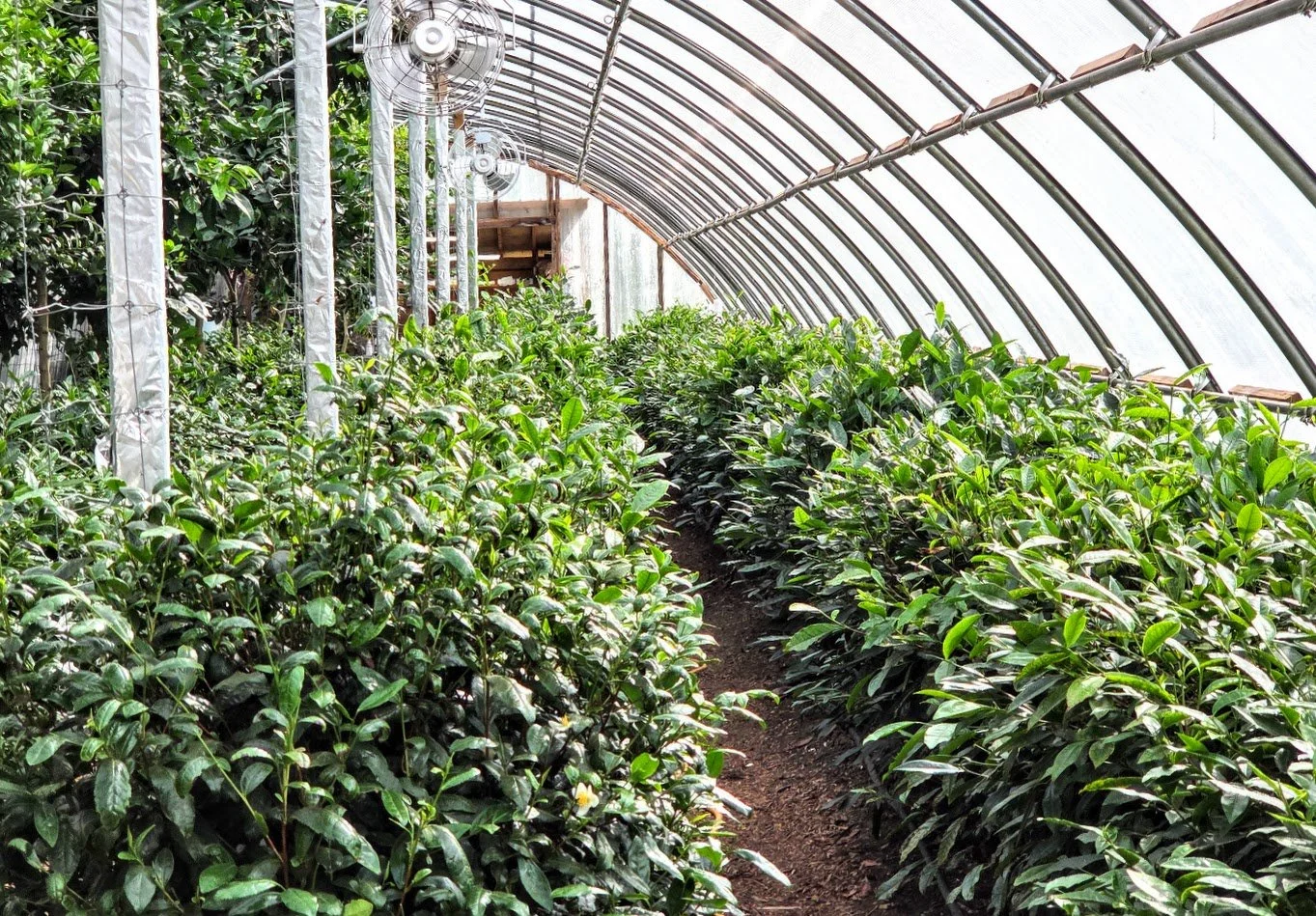
Coastal Grove Farm is a commercial grower of Camellia sinensis in Nova Scotia, Canada. Our tea plants are cultivated in approximately 5,000 square feet of permanent, polycarbonate-enclosed greenhouse space with geothermal temperature moderation. With approximately 460 plants, our operation is specifically designed for growing tea in Nova Scotia's climate.
Not a High Tunnel: Permanent Polycarbonate-Enclosed Greenhouses
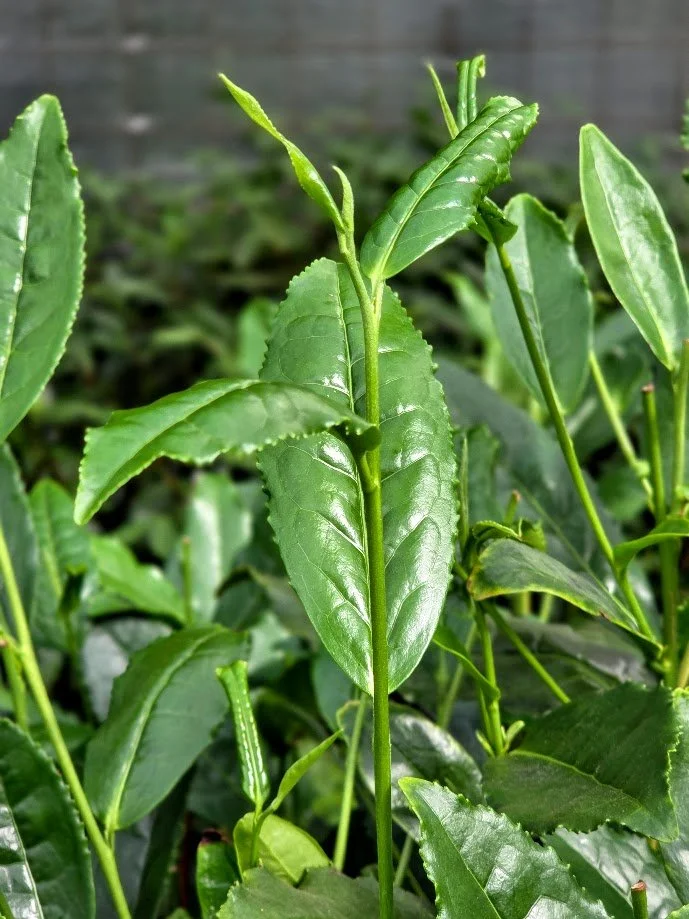
Most examples of protected tea cultivation involve temporary covers, high tunnels, seasonal frost protection or greenhouse propagation. Coastal Grove Farm is taking a different approach: cultivating mature Camellia sinensis plants in a permanent soil system under temperature-moderated, protected-cover polycarbonate greenhouses in Nova Scotia's northern climate.
Why Grow Camellia sinensis in Permanent Soil in a Greenhouse?
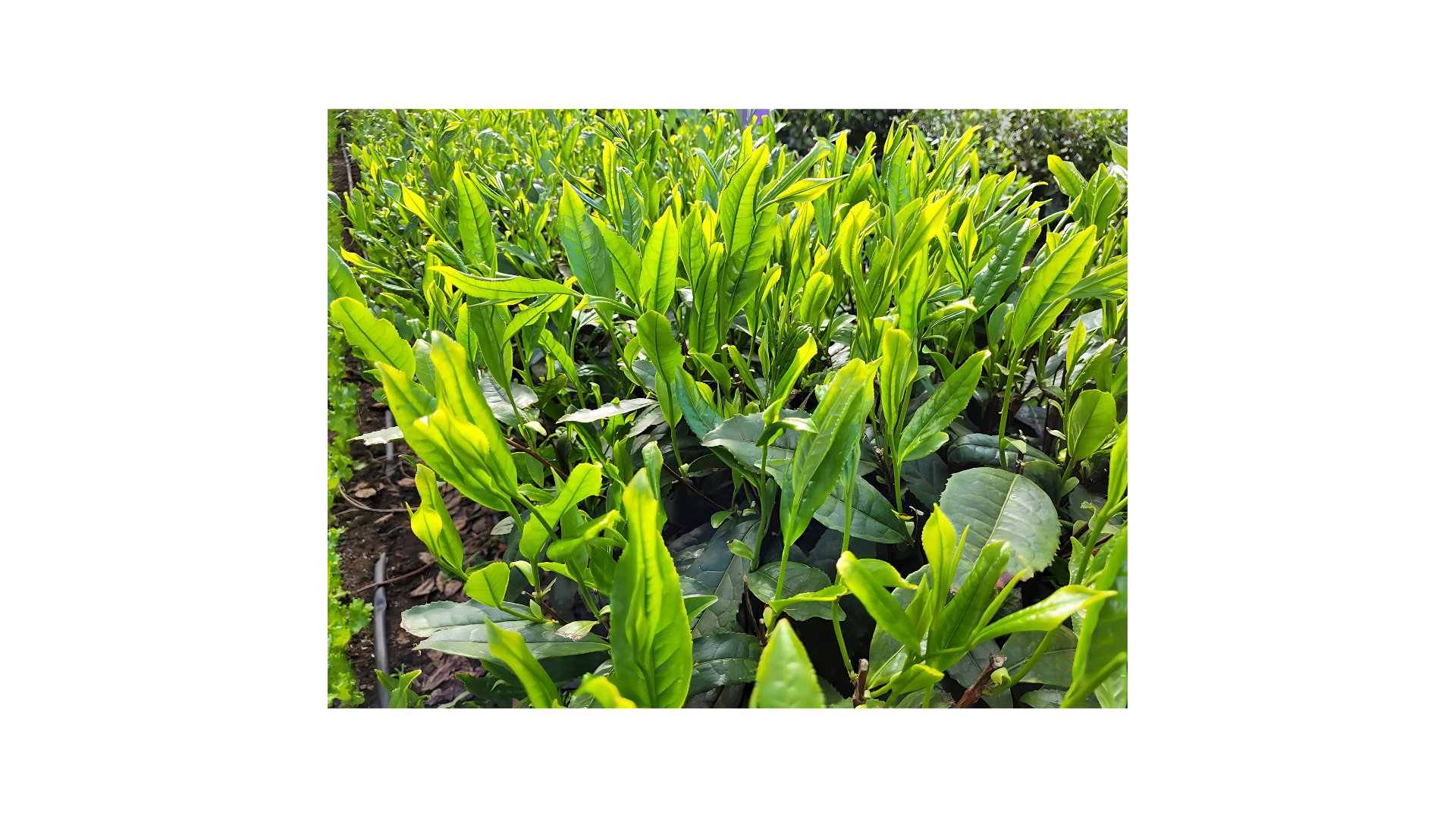
Nova Scotia’s climate limits conventional outdoor tea production. Protecting our plants from winter’s cold provides a stable root zone and allows us to manage multiple factors, including temperature, humidity, irrigation, fertility, light, and plant management, all of which enable us to provide the most optimal environment possible.
An Experiment in Controlled-Environment Tea Agriculture
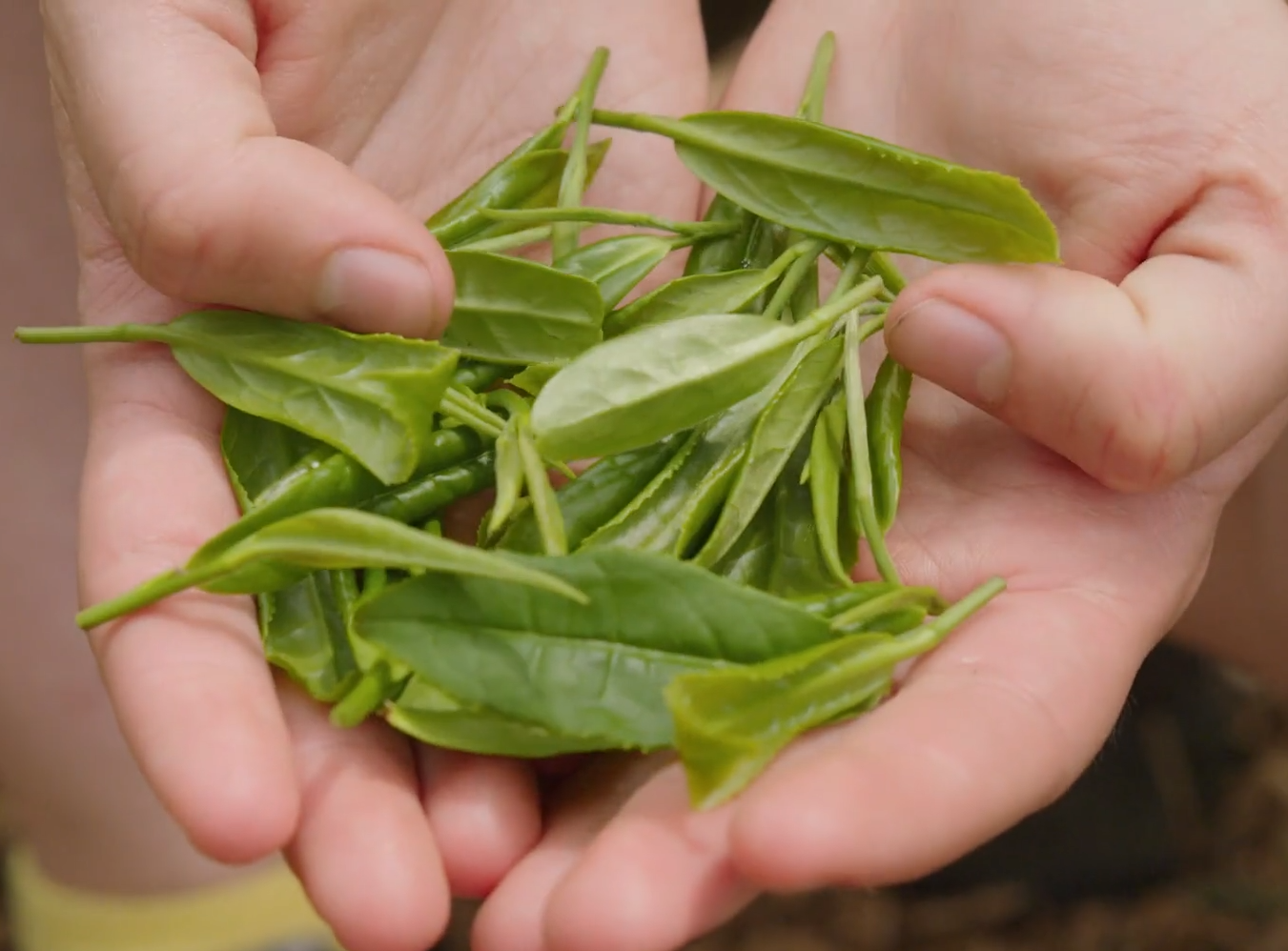
Southwestern Nova Scotia is known as the “banana belt” of the province due to its moderate seasonal temperatures. Unfortunately, this advantage is offset by extremely poor soil conditions that make traditional agriculture difficult. Protected cover enables targeted soil remediation while increasing environmental control. In seeking novel crops to help diversify the area’s economy, Coastal Grove Farm discovered that tea would likely flourish under the right growing conditions. And so far, the “grand experiment” has proven successful, with more developmental research planned for the future.